🌾 Agriculture College Majors and Careers — Full Introduction
Agriculture today is far more than traditional farming. It combines biology, technology, business, environmental science, and engineering to manage food, fiber, fuel, and ecosystems. Careers in agriculture are practical, hands-on, and increasingly high-tech, making it a stable and growing field in the United States. AI and automation are changing how agriculture works, creating more opportunities for skilled, tech-literate professionals.
1️⃣ Choosing the Right Agriculture Major
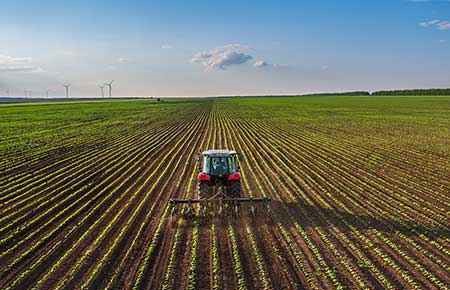
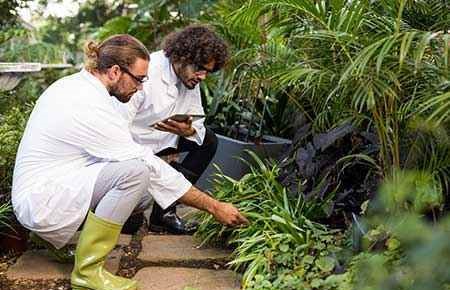
Agronomy / Crop Science: Focuses on plant growth, soil health, and crop production. Students learn how to improve yields, manage pests, and conserve resources. Careers include agronomist, crop consultant, precision agriculture specialist, and farm manager. This is ideal for students who enjoy plants, working outdoors, and applied science.
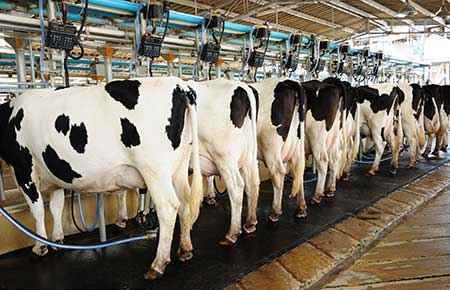
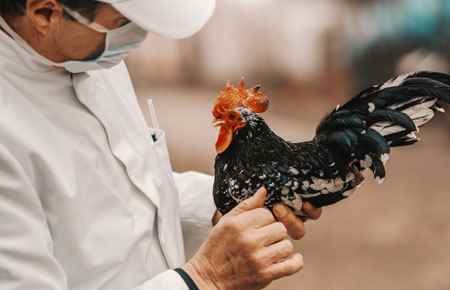
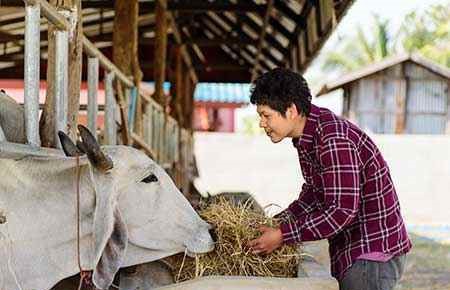
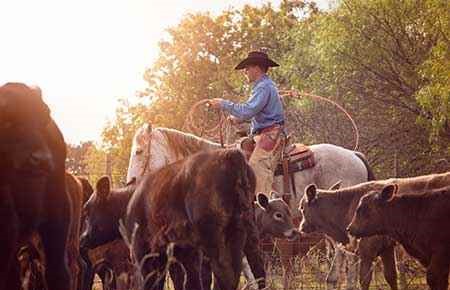
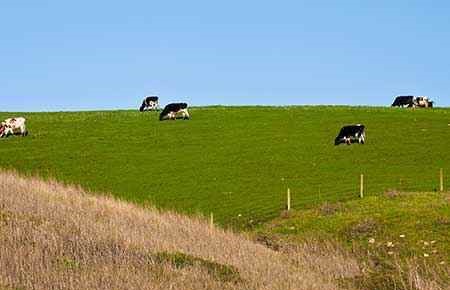
Animal Science: Focuses on livestock, nutrition, breeding, genetics, and animal health. Careers include livestock production manager, animal nutritionist, research technician, or a pathway to veterinary work. Best for students who love working with animals and biology.
Agricultural Engineering: Combines engineering principles with agriculture. Students learn about machinery, irrigation systems, automation, and robotics. Careers include agricultural engineer, precision agriculture engineer, equipment designer, and systems engineer. Ideal for students strong in math, physics, and problem-solving.
Agricultural Economics / Agribusiness: Focuses on farm management, markets, trade, and supply chains. Careers include agribusiness manager, commodity analyst, agricultural economist, or government/policy roles. Best for students who like business, data, and decision-making.
Environmental Science / Sustainable Agriculture: Focuses on land management, conservation, soil health, and climate resilience. Careers include sustainability analyst, conservation specialist, and climate resilience planner. Ideal for students concerned with climate change and long-term environmental systems.
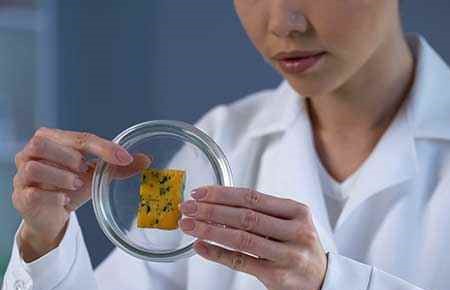
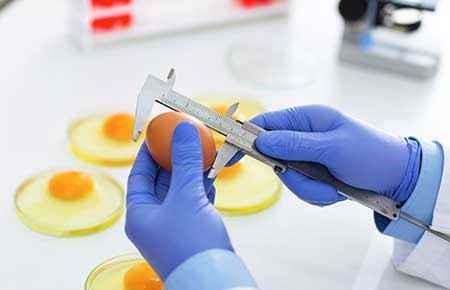
Plant and Animal Biotechnology: Focuses on genetics, breeding, and laboratory science to improve crops and livestock. Careers include research scientist, seed company specialist, and ag-biotech roles. Best for students who enjoy lab work and advanced science.
Precision Agriculture / Agricultural Technology: Uses data, GPS, GIS, drones, and AI to optimize farming. Careers include precision agriculture specialist, GIS analyst, ag data analyst, and remote sensing specialist. Ideal for students interested in technology, data, and practical problem-solving.
Pro tip: Pair any major with a minor in data science, GIS, or business to make yourself more competitive and future-proof in the AI era.
2️⃣ Comparing Agriculture to Environmental Science and Engineering
Agriculture majors focus on producing food and managing farm systems. They are practical and applied, often connected directly to industry.
Environmental science majors focus on ecosystems, climate, and conservation. This is broader, research-oriented, and often policy-driven.
Engineering majors focus on systems, machines, and automation. These roles typically pay more and require higher-level math but are less biological.
Rule of thumb: If you want hands-on work with crops, livestock, or ag-tech, choose agriculture. If you want policy or conservation focus, environmental science. If you want machines, automation, or design, engineering is the way to go.
3️⃣ Preparing for Agriculture in High School
-
Take biology, chemistry, algebra through pre-calculus or statistics, and environmental science.
-
Join ag science classes, FFA, or 4-H if available. Real-world exposure is highly valued.
-
Learn practical skills early: Excel, basic statistics, GIS, and even introductory coding.
-
Gain hands-on experience: work on farms, greenhouses, research labs, or conservation projects.
-
Summer work experience matters more than AP overload.
The goal is to build foundational knowledge, practical experience, and early tech literacy.
4️⃣ Top U.S. Colleges for Agriculture
Land-grant universities dominate agriculture education. Look for schools with strong internships, research, and extension programs. Examples include:
-
UC Davis: Leader in sustainability and applied ag research
-
Cornell University: Strong science, policy, and research programs
-
Texas A&M: Practical, industry-connected programs
-
Iowa State University: Strength in production and engineering
-
Purdue University: Precision agriculture and engineering focus
-
University of Illinois, Kansas State, NC State, Penn State, Oklahoma State: Solid programs with applied experience
Choose schools that connect students to internships, research, and ag-tech companies, not just for name recognition.
5️⃣ Agriculture Careers Today and Tomorrow
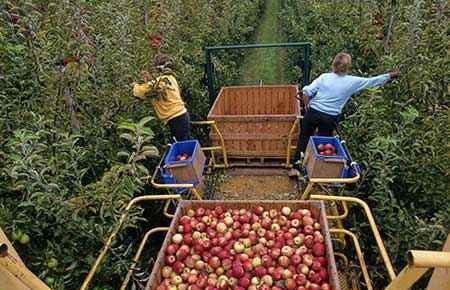
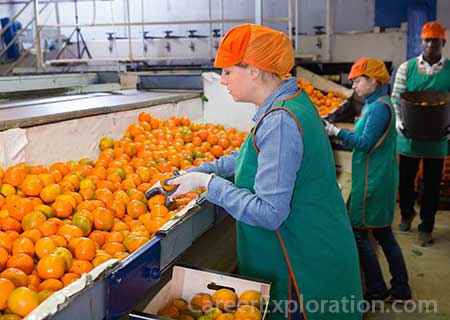
Production and management: Farmers, ranchers, greenhouse managers, operations leaders.
Science and research: Soil scientists, plant breeders, animal researchers, climate resilience specialists.
Technology and engineering: Agricultural engineers, precision agriculture specialists, GIS analysts, robotics technicians.
Business, policy, and extension: Agribusiness managers, supply chain analysts, extension agents, USDA analysts, and policy advisors.
AI is transforming agriculture by automating repetitive work, predicting yields, detecting disease, and optimizing irrigation or feeding. Jobs that require judgment, problem-solving, or system management are expanding. Learning data analysis, GIS, or basic coding gives a strong advantage.
6️⃣ Takeaways
-
Agriculture is tech-driven, globally essential, and career-stable.
-
Majors that combine biology, technology, and decision-making are the safest and most flexible.
-
AI is changing the field, but skilled, adaptable professionals are more in demand than ever.
-
You don’t need to grow up on a farm to succeed — curiosity, practical experience, and tech literacy.
Agriculture Majors
Agriculture Business, Management & Economics
Courses in an agricultural degree program could include-
- Agricultural Business
- Agricultural Mechanics
- Animal Science
- Environmental Services
- Food Science
- Plant Science
- Natural Resources
- Hydrology
- Agricultural Economics
Jobs and Careers in Agriculture
As there are a wide variety of careers in agriculture, so are there a variety of companies who hire people in these careers. Many people are employed by government agencies (Department of Agriculture, Bureau of Soils and Water Management, Bureau of Agriculture Research, Bureau of Plant Industry), consulting firms and agriculture machinery manufacturing. Other opportunities include:
- Farms and ranches
- Processing plants
- Laboratories
- Greenhouses
- Pharmaceutical/biotechnology industry
- Educational institutions and community education organizations
- Animal breeders
- Zoos and aquariums
Learn More About the Field of Agriculture
Professional associations are groups of professionals dedicated to topics in specific fields. Professional associations provide a wealth of online resources, some of which are geared specifically towards students. These organizations typically also host conferences and events, providing great opportunities for learning and networking across your field of interest.
A small sampling of relevant organizations are-
- American Society of Agronomy
- American Society of Agricultural and Biological Engineers
- International Commission of Agricultural and Biosystems Engineering
- Association of Food & Drug Officials
- Horticultural Inspection Society
- American Society for Horticultural Science
- American Society of Plant Biologists
- Crop Science Society of America
- National Association of County Agricultural Agents
- American Association of Pesticide Safety Educators
- American Association of Family and Consumer Sciences
- American Farm Bureau Federation
- Association of Farmworker Opportunity Programs
Agriculture Majors Data from the US Department of Labor
Agriculture degree, 2018
Data - Agriculture
- Employment 610,070
- Median wage $50,000
- Percent employed part time 13%
- Percent employed in occupations requiring at least a bachelor's degree 40%
- Percent with an advanced degree 29%
Types of agriculture majors, 2018
Agriculture majors - Major share
- Animal sciences 26%
- Agriculture production and management 19%
- General agriculture 18%
- Plant science and agronomy 16%
- Food science 8%
- Other 12%
Note - The sum of percentages by major may not total 100 due to rounding.
Employment distribution of workers with an agriculture degree, by occupational group, 2018
Occupational group - Occupational group share
- Management occupations 23%
- Sales and related occupations 11%
- Healthcare practitioners and technical occupations 10%
- Educational instruction and library occupations 8%
- Business and financial operations occupations 8%
- Other 40%
Note - The sum of percentages by major may not total 100 due to rounding.
Top-employing occupations for workers with an agriculture degree
Occupational Outlook Handbook profile - % Growth, projected 2019–29
- Health specialties teachers, postsecondary 21%
- Veterinarians 16%
- Soil and plant scientists 7%
- Elementary school teachers, except special education 4%
- Farmworkers and laborers, crop, nursery, and greenhouse 4%
- Sales representatives, wholesale and manufacturing, except technical and scientific products 1%
- Retail salespersons -1%
- Personal service managers, all other; entertainment and recreation managers, except gambling; and managers -2%
- First-line supervisors of retail sales workers -5%
- Farmers, ranchers, and other agricultural managers -6%
Bureau of Labor Statistics, U.S. Department of Labor, Occupational Outlook Handbook, Field of degree, Agriculture.

What Can You Do With An Agriculture Major/Degree?
Jobs and Careers in Agriculture
Occupational Outlook Handbook
O*Net
As there are a wide variety of careers in agriculture, so are there a variety of companies who hire people in these careers. Many people are employed by government agencies (Department of Agriculture, Bureau of Soils and Water Management, Bureau of Agriculture Research, Bureau of Plant Industry), consulting firms and agriculture machinery manufacturing. Other opportunities include:
- Farms and ranches
- Processing plants
- Laboratories
- Greenhouses
- Pharmaceutical/biotechnology industry
- Educational institutions and community education organizations
- Animal breeders
- Zoos and aquariums
Some job titles one can pursue with an agriculture degree
- Agricultural consultant
- Estate manager
- Farm manager
- Fish farm manager
- Plant breeder/geneticist
- Rural practice surveyor
- Soil scientist
- Agricultural communication/marketer
- Food scientist
- Insect biologist
- Agronomist
- Agricultural loan officer
- Farm labor specialist
- Agricultural economist
- Crop management consultant
- Aquaculturist
- Rural development specialist
- Outdoor recreation manager
- Plant and animal inspector
Some of the duties you might be expected to perform in some of the above listed positions
- Conduct research and experiments to improve the productivity and sustainability of field crops and farm animals
- Create new food products and develop new and better ways to process, package, and deliver them
- Study the composition of soil as it relates to plant growth, research ways to improve it
- Communicate research findings to the scientific community, food producers, and the public
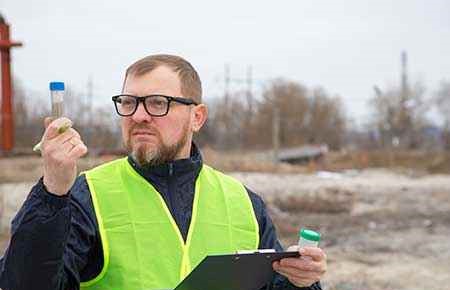
- Collect water and soil samples to test for certain properties, such as the pH or pollution levels
- Analyze data on the environmental impacts of pollution, erosion, drought, and other problems
- Research ways to minimize the negative impacts of erosion, sedimentation, or pollution on the environment
- Use computer models to forecast future water supplies, the spread of pollution, floods, and other events
- Evaluate the feasibility of water-related projects, such as hydroelectric power plants, irrigation systems, and wastewater treatment facilities


Agribusiness and Management
Agricultural Production Operations, General
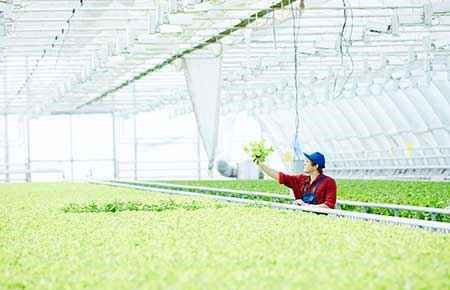
Agroecology and Sustainable Agriculture
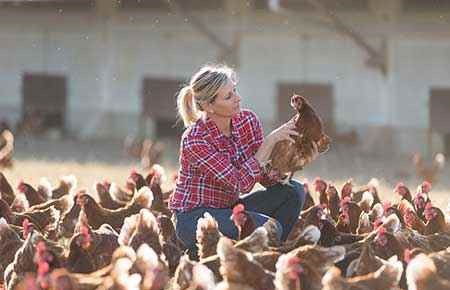
Animal/Livestock Husbandry and Production
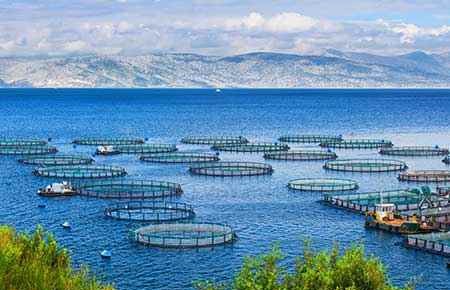
Aquaculture
Crop Production
Dairy Husbandry and Production

Horse Husbandry/Equine Science Management/Equine Studies
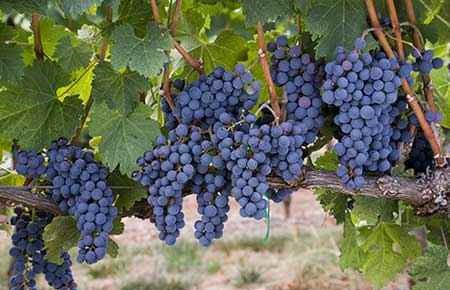
Viticulture and Enology
Agricultural and Food Products Processing

Agricultural Mechanization, General
Agricultural Animal Breeding
Animal Health
Animal Nutrition
Animal Sciences, General
Dairy Science
Livestock Management
Poultry Science
Applied Horticulture/Horticulture Operations, General

Floriculture/Floristry Operations and Management

Greenhouse Operations and Management
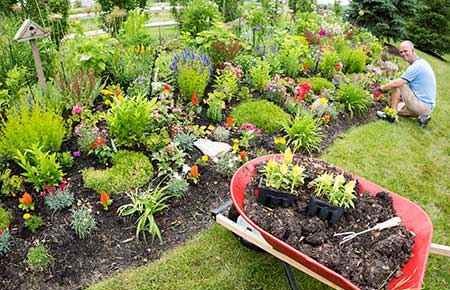
Landscaping and Groundskeeping
Ornamental Horticulture
Plant Nursery Operations and Management
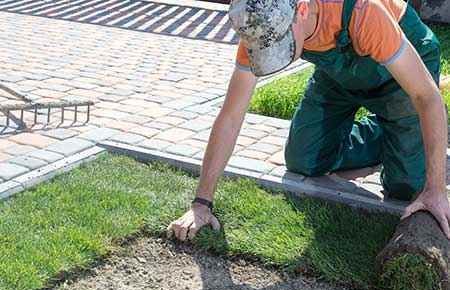
Turf and Turfgrass Management
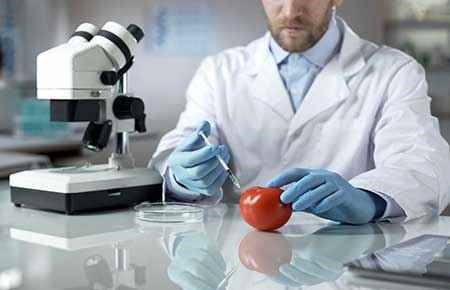
Food Science
Food Technology and Processing
Plant Sciences
Agronomy and Crop Science
Horticultural Science
Plant Protection and Integrated Pest Management
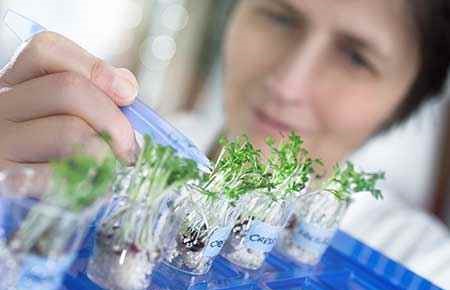
Soil Sciences