

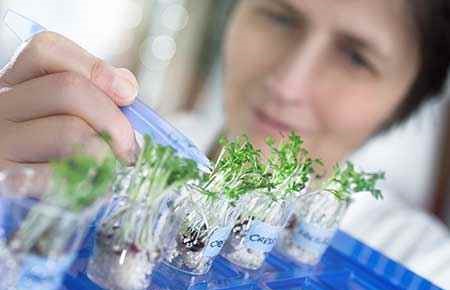
Plant Sciences Majors
Plant Science prepares individuals to apply their efforts to the scientific principles that underlie the breeding, cultivation, and production of agricultural plants, and the production, processing, and distribution of agricultural plant products.
Plant Science majors and degree programs generally instruction in the plant sciences, crop cultivation and production, and agricultural and food products processing.
🌿 Introduction to Plant Science
Plant Science (also called Plant Biology, Crop Science, or Botany) is the study of plants—their growth, genetics, physiology, and role in ecosystems and agriculture. It forms the foundation of food production, sustainability, biotechnology, and environmental management.
Plant Science is broader than agronomy because it can include crops, horticulture, forestry, turf management, plant breeding, and plant biotechnology.
🎓 What You Study in Plant Science Majors
Plant Science programs typically cover:
-
Plant Biology & Physiology:
-
Plant structure, growth, development, photosynthesis, and reproduction
-
Response to environmental conditions and stress
-
-
Genetics & Breeding:
-
Crop improvement and selective breeding
-
Biotechnology, genomics, and plant genetic engineering
-
-
Soil & Nutrient Management:
-
Soil-plant interactions, fertilizers, and nutrient cycles
-
Sustainable crop production and plant health
-
-
Pest & Disease Management:
-
Integrated pest management (IPM)
-
Plant pathology and prevention of disease outbreaks
-
-
Environmental & Sustainability Focus:
-
Climate adaptation and sustainable cropping systems
-
Conservation and ecosystem management
-
-
Technology & Data:
-
Precision agriculture, sensors, drones, and AI for monitoring plant health
-
Data analysis for yield prediction and crop improvement
-
🌟 Career Paths in Plant Science
-
Plant Scientist / Crop Scientist:
-
Conduct research to improve crop yield, disease resistance, or environmental resilience
-
-
Plant Breeder / Geneticist:
-
Develop new crop varieties with better traits (yield, nutrition, drought tolerance)
-
Apply genomics and biotechnology
-
-
Horticulturist / Landscape Manager:
-
Focus on ornamental plants, turf management, or urban green spaces
-
-
Plant Pathologist / Pest Management Specialist:
-
Diagnose plant diseases, manage pests, and design integrated solutions
-
-
Sustainability & Environmental Consultant:
-
Advise farms, municipalities, or companies on sustainable planting and ecosystem management
-
-
Agri-Biotech Specialist / Research Scientist:
-
Work in biotechnology, CRISPR plant editing, or precision agriculture technologies
-
-
Agronomist / Crop Advisor (Overlap with Agronomy):
-
Work directly with farms to optimize plant production and soil management
-
💡 Key Points About Plant Science Careers
-
Hands-on experience matters: Lab work, field trials, internships, and research projects are crucial.
-
Pay varies by role:
-
Entry-level: $40k–$55k
-
Mid-career: $60k–$90k
-
Senior research, breeding, or consulting: $100k+
-
-
AI and technology are growing:
-
Remote sensing, predictive analytics, and automated monitoring improve efficiency and crop outcomes
-
Human expertise remains vital for interpretation, decision-making, and innovation
-
🎓 Notable U.S. Colleges with Plant Science Programs
-
Cornell University – Plant Biology, Horticulture, and Crop Science
-
Iowa State University – Crop Science and Plant Genetics
-
University of California, Davis – Plant Biology and Biotechnology
-
Michigan State University – Plant Biology and Applied Horticulture
-
University of Florida – Horticultural Science and Plant Biotechnology
🌿 Plant Science Career Roadmap — United States
This roadmap focuses on high-paying, AI-resistant careers in plant biology, crop production, horticulture, and plant biotechnology, integrating science, technology, and business.
1️⃣ High School (Grades 9–12)
Core Academics:
-
Science: Biology, Chemistry, Environmental Science
-
Math: Algebra → Pre-Calculus, basic Statistics (for experimental design and data analysis)
-
Optional: Computer Science / Coding basics (Python, Excel, or R for plant data tracking)
Extracurriculars / Electives:
-
Plant or garden clubs, FFA/4-H programs focusing on crops or horticulture
-
Environmental or sustainability clubs
-
Robotics, GIS, or drone clubs (precision agriculture applications)
Hands-On Experience:
-
Volunteer or work at farms, botanical gardens, nurseries, or research labs
-
Participate in science fairs, field experiments, or community gardening
Skills to Develop:
-
Observation, problem-solving, and experimental thinking
-
Plant care, propagation, and basic lab techniques
-
Data collection and record-keeping
2️⃣ College (Undergraduate, 4 Years)
Recommended Majors:
-
Plant Science / Plant Biology / Botany – broad focus on plant biology and crops
-
Horticulture / Turf Management – ornamental, turf, or specialty crops
-
Crop Science / Agronomy – production-focused plant science
-
Related options: Agricultural Science, Environmental Science, Plant Biotechnology
Minors / Skills:
-
Tech & AI Skills: Precision agriculture, sensors, remote sensing, AI-assisted plant health monitoring
-
Business Skills: Nursery management, plant product marketing, or sustainability consulting
Hands-On College Experience:
-
Internships at research labs, farms, greenhouses, or nurseries
-
Fieldwork: crop trials, propagation, pest/disease monitoring
-
Lab work: plant genetics, tissue culture, molecular biology
-
Professional groups: American Society of Agronomy (ASA), American Society for Horticultural Science (ASHS)
3️⃣ Early Career (Years 1–5 Post-College)
Target Roles:
-
Research Assistant / Lab Technician
-
Nursery Technician / Greenhouse Manager
-
Crop Advisor / Field Agronomist
-
Horticulture Specialist / Plant Propagator
Focus Areas:
-
Apply AI and sensors for plant health, yield monitoring, and pest/disease detection
-
Gain hands-on experience with plant propagation, breeding, and field trials
-
Learn business aspects if managing plant production facilities
Pay Potential:
-
Entry-level: $40k–$55k
-
Early tech-assisted roles: $50k–$65k
4️⃣ Mid-Career (Years 5–15)
Advanced Roles:
-
Senior Plant Scientist / Crop Advisor
-
Plant Breeder / Geneticist
-
Horticulture Manager / Greenhouse Director
-
Precision Agriculture / Plant Data Analyst
-
Sustainability or Environmental Consultant
Skills to Add:
-
Advanced AI and remote sensing for plant health, yield prediction, and breeding
-
Molecular biology and biotechnology techniques
-
Leadership, project management, and client advisory skills
Pay Potential:
-
$65k–$110k+, depending on specialization, scale, and industry
5️⃣ Long-Term / Peak Career (15+ Years)
Top Positions:
-
Director of Plant Science or Crop Research
-
Lead Plant Breeder / Geneticist
-
Senior Precision Agriculture Consultant
-
Nursery / Greenhouse Owner or Entrepreneur
-
Research Scientist in plant biotechnology or environmental plant science
AI Integration:
-
Use AI for predictive breeding, disease detection, yield forecasting, and precision crop management
-
Oversee multiple research projects or production operations using data-driven tools
-
Drive strategic innovation and sustainability programs
Pay Potential:
-
$100k–$200k+, higher for senior researchers, consultants, or owners
6️⃣ Key Takeaways
-
Human expertise + technology = AI-resistant careers in plant science.
-
Hands-on experience is critical: Lab research, greenhouses, field trials, and internships are essential.
-
Tech and AI are growing: Drones, sensors, AI, and molecular tools improve plant management and breeding.
-
Specialization increases pay: Breeding, biotechnology, sustainability consulting, or high-value horticulture are most lucrative.
-
Top U.S. locations: Midwest (Iowa, Illinois), California, Florida, Southeast, and Pacific Northwest — regions with large crop or horticulture industries.
This roadmap integrates plant biology, crop production, hands-on experience, AI literacy, and business skills, showing a clear path from high school → college → early career → mid-career → top roles, with pay ranges and technology applications.
What can you do with a major/degree in Plant Science?
Completing this major/degree program, individuals may find careers in studying farm crops and developing ways to improve their quantity and quality. Improving crop yield with less labor, control pests and weeds more safely and effectively, and to conserve soil and water may be a focus.
Trade Associations and Professional Organizations in Plant Science:
Professional associations are groups of professionals dedicated to topics in specific fields. Professional associations provide a wealth of online resources, some of which are geared specifically towards students. These organizations typically also host conferences and events, providing great opportunities for learning and networking across your field of interest.
🌾 Agriculture, Agronomy & Soil Science
American Society of Agronomy (ASA) – Official Site
A leading professional society for agronomy, crop science, and soil science. It offers career development, certification programs (like Certified Crop Adviser), webinars, jobs, and networking.
Crop Science Society of America (CSSA) – Official Site
Focuses on crop science research and education. Good for plant breeding, genetics, and crop improvement professionals.
Soil Science Society of America (SSSA) – Official Site
Professional home for soil scientists. Offers education, conferences, certification pathways, publications, and career resources.
Weed Science Society of America (WSSA) – Overview
A scientific society focused on weed science, research, and education — useful for crop protection and integrated pest management.
🌱 Plant Science & Horticulture
American Society for Horticultural Science (ASHS) – Official Site
One of the main professional societies for horticultural science, covering plant biology, genetics, ornamental and edible plants.
Botanical Society of America (BSA) – Official Site
Supports research and education in plant biology and botany, ideal for anyone studying plant science broadly.